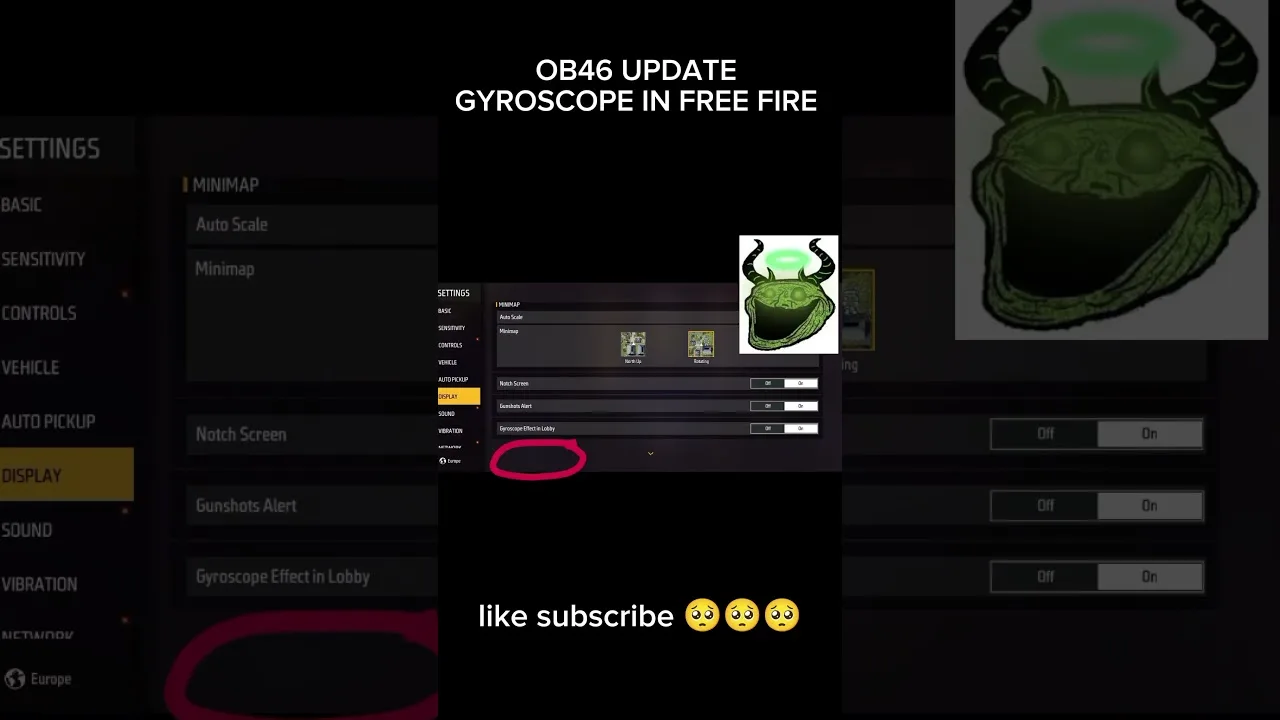
Gyroscope sensitivity lets you aim by tilting your phone instead of only swiping with your thumb. When the gyroscope is active, small movements of the device shift your view or your scoped aim, which can make fine corrections smoother, especially while firing at mid range.
Not every player needs it, and not every phone handles it equally well. Before enabling high gyro values, open Sensibilidades sensitivity app to review suggested starting points, and check the Sensibilidades device compatibility guide to confirm your device sensors are a good fit, because a phone with a weak or drifting gyroscope will make aim feel worse, not better.
How Gyroscope Aim Actually Helps
The main advantage of gyroscope aim is separation of jobs. Your thumb handles large movements such as turning and positioning the crosshair, while tilting handles the small corrections that follow a moving target or control recoil. That split can make spray control feel calmer, because your firing thumb is no longer trying to aim and shoot at the same time.
The advantage only appears after practice. In the first sessions, tilting feels unnatural and many players overcorrect, swinging past targets they would have hit with thumb aim alone. Give the method at least several days of short practice before deciding whether it suits your play style and your hands.
Choosing Between Full and Scope-Only Gyro
Most players start with gyroscope active only when scoped, often labelled as a scope or ADS mode, because free-look tilting while running can feel disorienting. Scope-only gyro keeps your normal movement familiar and adds tilt control exactly where fine aim matters most, during red dot and scope fights.
Full gyroscope, active all the time, suits players who already feel comfortable and want tilt to assist close-range tracking too. Move to it gradually: raise the general gyro value in steps and play casual matches between changes. The drill ideas in the camera vs ADS sensitivity guide help you compare tilt behaviour at different ranges without confusing gyro changes with ADS changes.
Starter Values and Small Adjustments
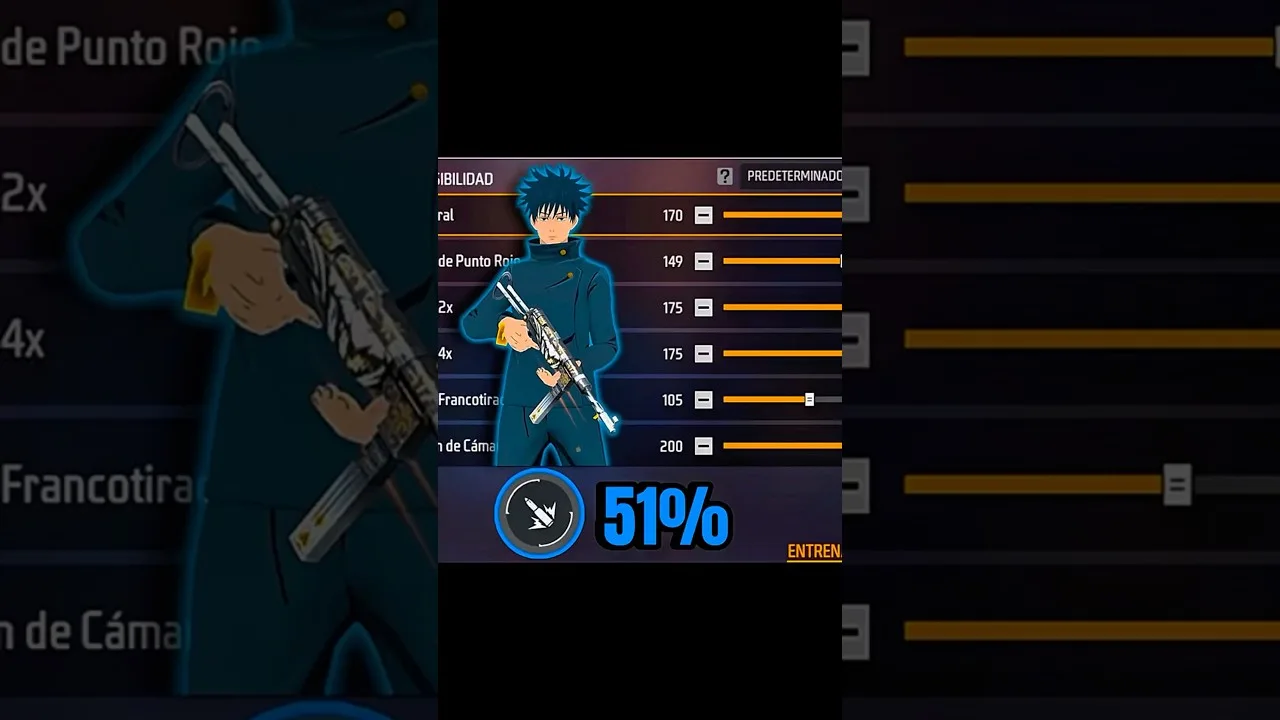
Begin lower than you think you need. A modest gyro value that you can control is more useful than a high value that looks impressive in a settings screenshot. Start with the baseline suggested for your device, then tilt-test in training: aim at a wall target, tilt slowly left and right, and check that the crosshair moves smoothly without shaking or drifting when the phone is still.
Drift is a warning sign. If the view creeps while the phone is held steady, recalibrate the sensor if your device allows it, play on a stable surface position, or lower the value. Small, stable tilt control beats aggressive settings that introduce constant unwanted movement into every fight.
Practising Without Ruining Your Matches
Practise gyro in training and casual modes first, using short focused drills: track a strafing target with tilt only, control a full magazine of spray with tilt corrections, and snap between two targets using thumb for the turn and tilt for the finish. Ten calm minutes of this teaches your hands more than an evening of frustrated ranked matches.
Keep your thumb settings stable while you learn. Changing thumb sensitivity and gyro at the same time makes progress impossible to measure. Once tilt aim feels natural, you may find your ADS thumb value can drop slightly, because tilt is now doing part of the fine correction work for you.
Putting This Into Practice
Set aside one short session devoted only to calm tilt control during scoped fights. Do not chase wins during this session and do not judge the setup by the scoreboard at the end of it. Your only task is to repeat the same movements until they feel ordinary: small tilts for correction while your thumb stays responsible for large movements. When a movement starts to feel ordinary, that is useful information, because ordinary means your hands have stopped negotiating with the setting and have started trusting it. Write down what felt easier and what still felt awkward while the session is fresh, using plain words you will understand when you read the note again next week.
Next, carry the same focus into two or three normal matches without changing anything, even if the first match goes badly. A setup for calm tilt control during scoped fights has to survive different maps, different weapons and the small panic that arrives when a fight starts closer than expected. If it only works in a quiet training room, it is not finished yet, and the honest response is one small adjustment followed by the same test again, not a full rebuild. If it works across those matches, protect it: record the values, leave them alone for several days, and let repetition turn a good test result into dependable muscle memory you can rely on under pressure.
Finally, review the result at the end of the week rather than at the end of a single evening. Ask one simple question: did calm tilt control during scoped fights feel more predictable than it did seven days ago? Predictable is the right standard, because competitive aim is built on movements you can repeat when tired, rushed or surprised. If the answer is yes, keep the setup and move your attention to the next weakest part of your game. If the answer is no, change the one value most closely connected to the problem, by the smallest step you can feel, and repeat the weekly cycle with the same patience.
Final Thoughts
Gyroscope sensitivity is a tool, not a requirement. Players with steady hands, a responsive sensor and a week of patience often gain smoother scoped control from it, while players who prefer pure thumb aim lose nothing by leaving it off.
Test it honestly on your own device, in small steps, and keep whichever method gives you calmer aim under real match pressure.