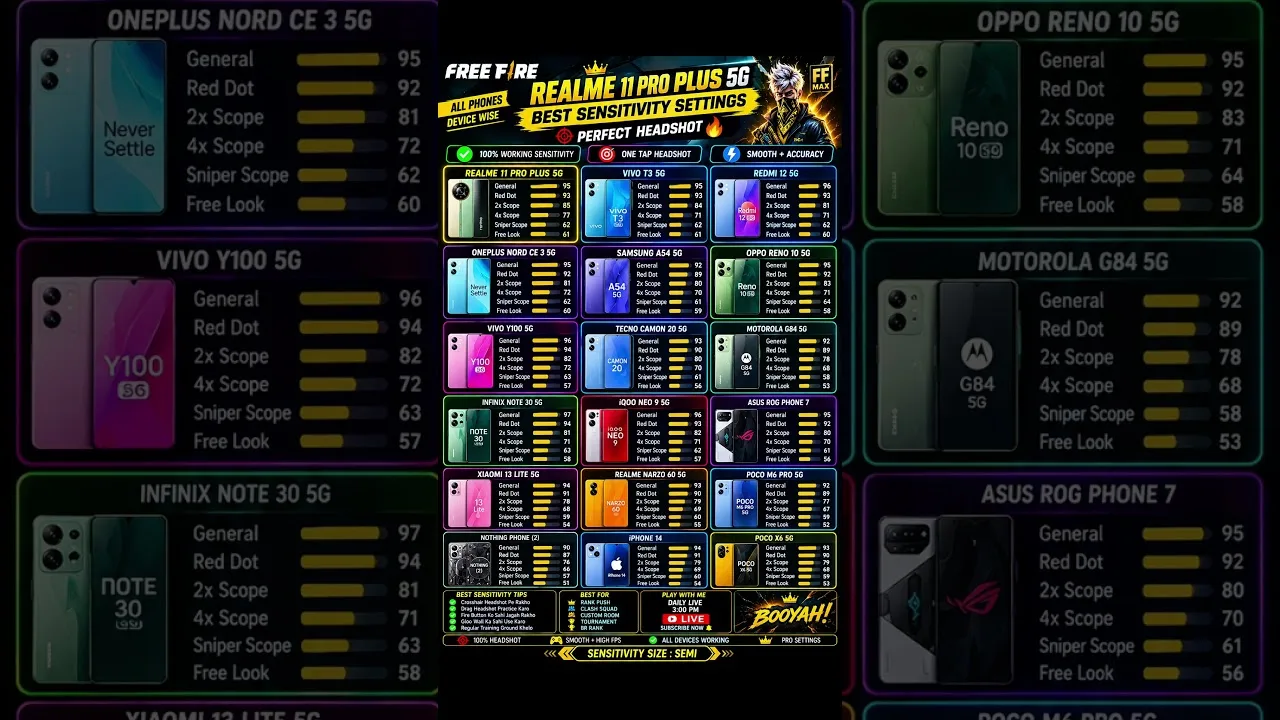
Sensitivity for headshots is the setup that lets you drag your crosshair from chest level up to head level in one smooth, controlled motion. In Free Fire, most headshots come from that drag combined with aim assist, so the goal is not the highest possible speed but a speed your thumb can stop exactly at head height.
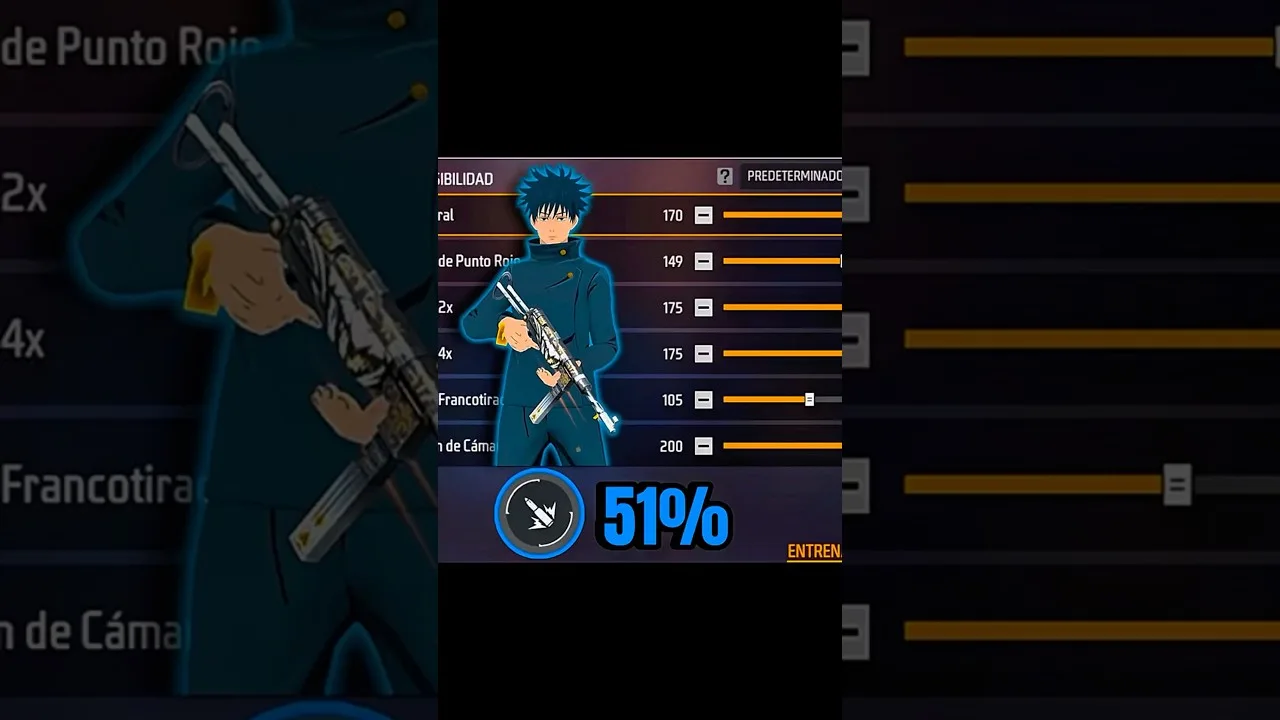
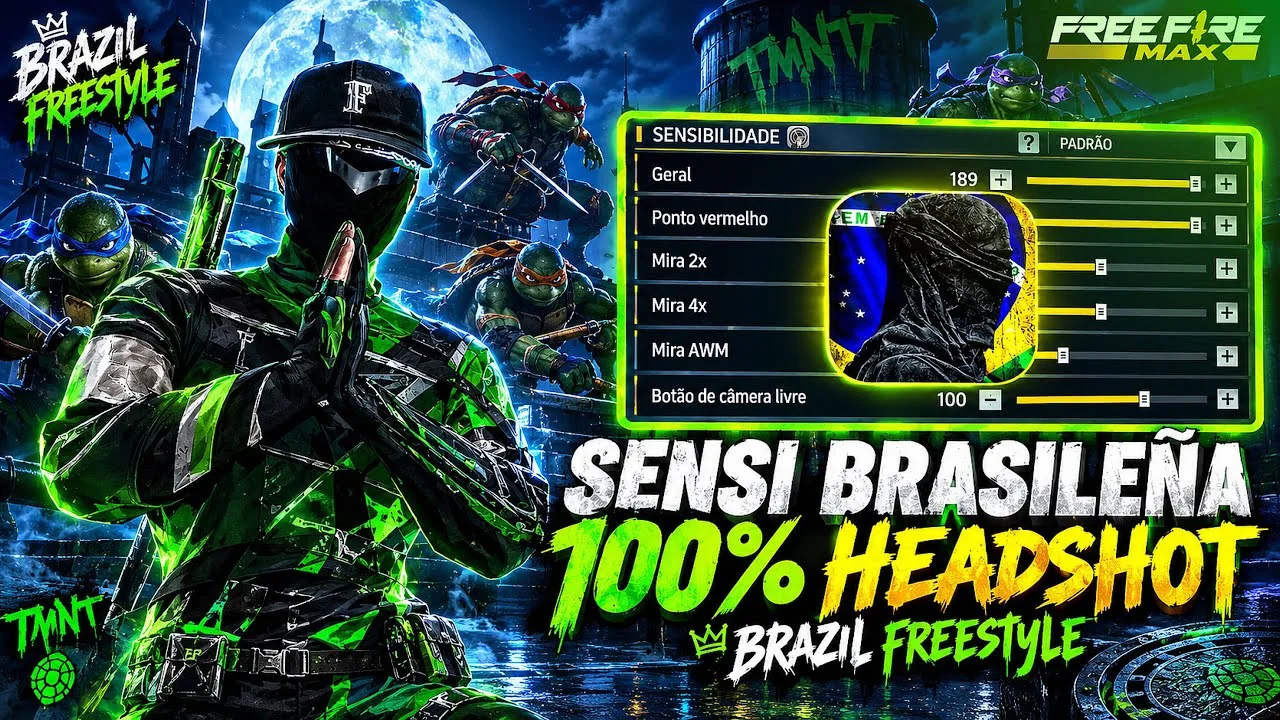
Start by reviewing the red dot and general values suggested in Sensibilidades FF sensitivity app, then use the camera vs ADS sensitivity guide to separate your camera movement from your scoped aim, because headshot drag fails for different reasons depending on whether the problem happens before or after you press fire.
The Drag Motion, Broken Down
A drag headshot has three parts: place the crosshair near the opponent's upper body, swipe upward in a short firm motion while firing, and stop at head level. Sensitivity decides how much swipe the middle part needs. Too low, and the drag stalls at the chest. Too high, and it flies above the head before the shots connect, which is the most common failure players blame on bad luck.
Practise the motion slowly in training first, without worrying about speed. Place, drag, stop. When the stop point lands near head height nine times out of ten at slow speed, gradually make the motion quicker. Settings tuned at a calm pace stay reliable when matches get fast, while settings tuned in a panic rarely repeat.
Red Dot and General: Which One Matters More
For most drag attempts with a red dot open, the red dot value does the fine work of the upward flick, while general sensitivity decides how your aim was positioned just before the fight. If your drags start from a bad position, fix general first. If they start well but overshoot or undershoot the head, the red dot value is the one to move, in small steps.
Change only one of them per session. The routine in best ways to use Sensibilidades is built for exactly this kind of patient comparison, and it prevents the familiar cycle where a player rebuilds their whole setup after two bad matches and never learns which value was actually at fault.
Fire Button Size and Position Matter Too
Headshot settings are not only sliders. A fire button that is too small gets missed during a fast drag, and one placed where your thumb naturally lands during the swipe will interrupt the motion. Many players find a slightly larger fire button, placed where the drag ends rather than where it starts, makes the whole technique feel smoother without any sensitivity change at all.
Test button changes separately from slider changes, and give each layout a full session before judging. Sensitivity and button layout interact, so changing both together makes it impossible to know whether cleaner headshots came from the new values or simply from a button your thumb finally stopped missing.
Drills That Actually Build Consistency
Use short, repeatable drills: stationary targets at chest height for drag timing, then moving targets for drag tracking, then close-range bots for pressure. Count clean head-level stops rather than celebrating occasional spectacular shots. Consistency in the drill, measured honestly, predicts consistency in matches far better than a single good game does.
When a drill plateaus, change one value by a small step and repeat the same drill. Comparing identical drills across settings is the only fair test. Random matches mix in opponent skill, weapons and nerves, all of which hide whether a settings change truly helped your drag or merely coincided with an easier lobby.
Putting This Into Practice
Set aside one short session devoted only to a drag that stops reliably at head height. Do not chase wins during this session and do not judge the setup by the scoreboard at the end of it. Your only task is to repeat the same movements until they feel ordinary: placing low, dragging once and stopping without a second adjusting swipe. When a movement starts to feel ordinary, that is useful information, because ordinary means your hands have stopped negotiating with the setting and have started trusting it. Write down what felt easier and what still felt awkward while the session is fresh, using plain words you will understand when you read the note again next week.
Next, carry the same focus into two or three normal matches without changing anything, even if the first match goes badly. A setup for a drag that stops reliably at head height has to survive different maps, different weapons and the small panic that arrives when a fight starts closer than expected. If it only works in a quiet training room, it is not finished yet, and the honest response is one small adjustment followed by the same test again, not a full rebuild. If it works across those matches, protect it: record the values, leave them alone for several days, and let repetition turn a good test result into dependable muscle memory you can rely on under pressure.
Finally, review the result at the end of the week rather than at the end of a single evening. Ask one simple question: did a drag that stops reliably at head height feel more predictable than it did seven days ago? Predictable is the right standard, because competitive aim is built on movements you can repeat when tired, rushed or surprised. If the answer is yes, keep the setup and move your attention to the next weakest part of your game. If the answer is no, change the one value most closely connected to the problem, by the smallest step you can feel, and repeat the weekly cycle with the same patience.
Final Thoughts
Headshot sensitivity rewards control over speed. Build a drag you can stop at head height on demand, tune red dot and general values separately, and let drills, not highlight moments, tell you when the setup is right.
Once the motion is repeatable at practice speed, match speed follows naturally, and your headshots become a habit instead of an accident.